Every summer, rental owners along Florida’s Gulf Coast make the same quiet bet: that this will be a quiet season. Most years, they win. But the stretch from August through October is when the Gulf is warmest and the tropics are most active, and a single well-aimed storm can undo a year of careful management in an afternoon.
For owners of rental property from Pinellas down through Manatee, Sarasota, and Charlotte counties, storm readiness is not a weather problem. It is an operational one. The difference between a manageable disruption and a costly mess usually comes down to decisions made weeks before any forecast appears.
Prepare the Property Before the Forecast
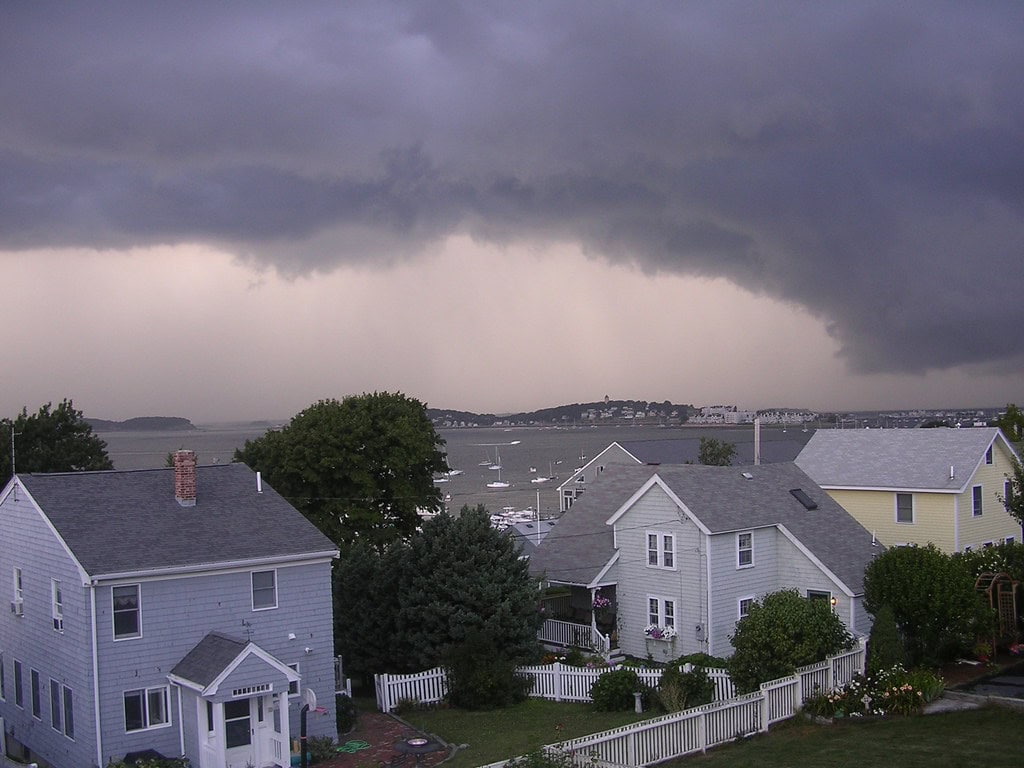
The worst time to think about a rental’s physical vulnerabilities is when a cone of uncertainty is pointing at the coast. Pre-season is when the work is cheap, contractors are available, and there is time to do it right.
Start with the roof and the openings. A roof near the end of its life is the most common point of catastrophic failure, and loose soffits or aging seals invite wind-driven water. Confirm that shutters or impact protection are present and functional, and that the tenant knows how to deploy them.
Clear the surroundings. Trim trees away from the structure, secure or store loose outdoor items, and check that drains and gutters are clear so water moves away from the foundation. Small maintenance items become projectiles and blockages in a serious wind event.
The Lease Is Your First Line of Defense
Long before a storm, the lease should already answer the questions that panic tends to raise. A well-written agreement removes ambiguity at the exact moment ambiguity is most expensive.
Three provisions matter most. First, require renters insurance and proof of it. The owner’s policy covers the building, not the tenant’s belongings, and a tenant without coverage is a tenant likely to look to the landlord after a loss.
Second, spell out responsibilities during a storm: securing the property, deploying shutters, and complying with mandatory evacuation orders. Third, address what happens if the home becomes uninhabitable, including how rent is handled and how repairs proceed. Clear language here protects both sides.
Have a Communication Plan
When a storm is days out, a scramble to find current phone numbers is a sign the plan was never made. Confirm tenant contact information at the start of every season, not during the warnings.
Decide in advance how you will reach residents and what you will tell them: reminders about evacuation orders, instructions for securing the home, and a clear point of contact for emergencies. Tenants who feel informed behave more calmly and cause fewer problems, and a short message sent early prevents a dozen frantic calls later.
Know Your Obligations After the Storm
Once the wind passes, Florida law does not pause. A landlord’s duty to provide safe, habitable housing continues, and how quickly an owner responds shapes both the tenant relationship and the legal exposure.
If a home is damaged but livable, repairs should move promptly. If it is genuinely uninhabitable, the situation changes: tenants generally cannot be charged for a home they cannot occupy, and both parties may have options to end or pause the tenancy depending on the lease and the severity. This is where the lease language written months earlier earns its keep.
Owners who manage several properties should triage by safety first, then habitability, then cosmetic damage. Trying to fix everything at once after a widespread storm, when every contractor in the region is booked, is how small problems become long vacancies.
Document Everything
Photographs are the cheapest insurance an owner has. Before the season, capture the property’s condition inside and out. After any event, document the damage thoroughly before cleanup begins.
That record is what turns a contested claim into a paid one. Adjusters are stretched thin after a regional storm, and the owner with clear, dated evidence is the owner who gets resolved first. Keep the images organized by property and date, and store them somewhere that survives a local power loss.
The Bottom Line
Storm readiness on the Gulf Coast is not about predicting the weather. It is about removing decisions from the moment of crisis and making them in advance, when they are cheaper and clearer.
The owners who come through a bad season intact are rarely the lucky ones. They are the ones whose roofs were sound, whose leases were specific, whose tenants were insured and informed, and whose properties were photographed before the first band of rain arrived. Preparation does not stop a storm. It decides how much the storm gets to cost you.
Frequently Asked Questions
Can I require my tenants to evacuate during a mandatory order?
Your lease can obligate tenants to comply with lawful mandatory evacuation orders, and it should. You cannot physically remove them, but clear lease language establishes the expectation and supports you if a tenant’s refusal later causes damage or liability.
Do I still collect rent if the property becomes uninhabitable after a storm?
Generally no. Under Florida’s habitability rules, a tenant is not responsible for rent on a home they cannot safely occupy. What happens next depends on the lease and the extent of the damage, which is exactly why storm-related terms should be written into the agreement before a storm ever forms.
What should I do first at a property right after a storm?
Safety before anything else. Confirm there are no downed lines, gas leaks, or structural hazards before entering. Then document the damage with dated photos, secure the property against further loss, and begin repairs in order of habitability. Notify your insurer promptly with your documentation in hand.